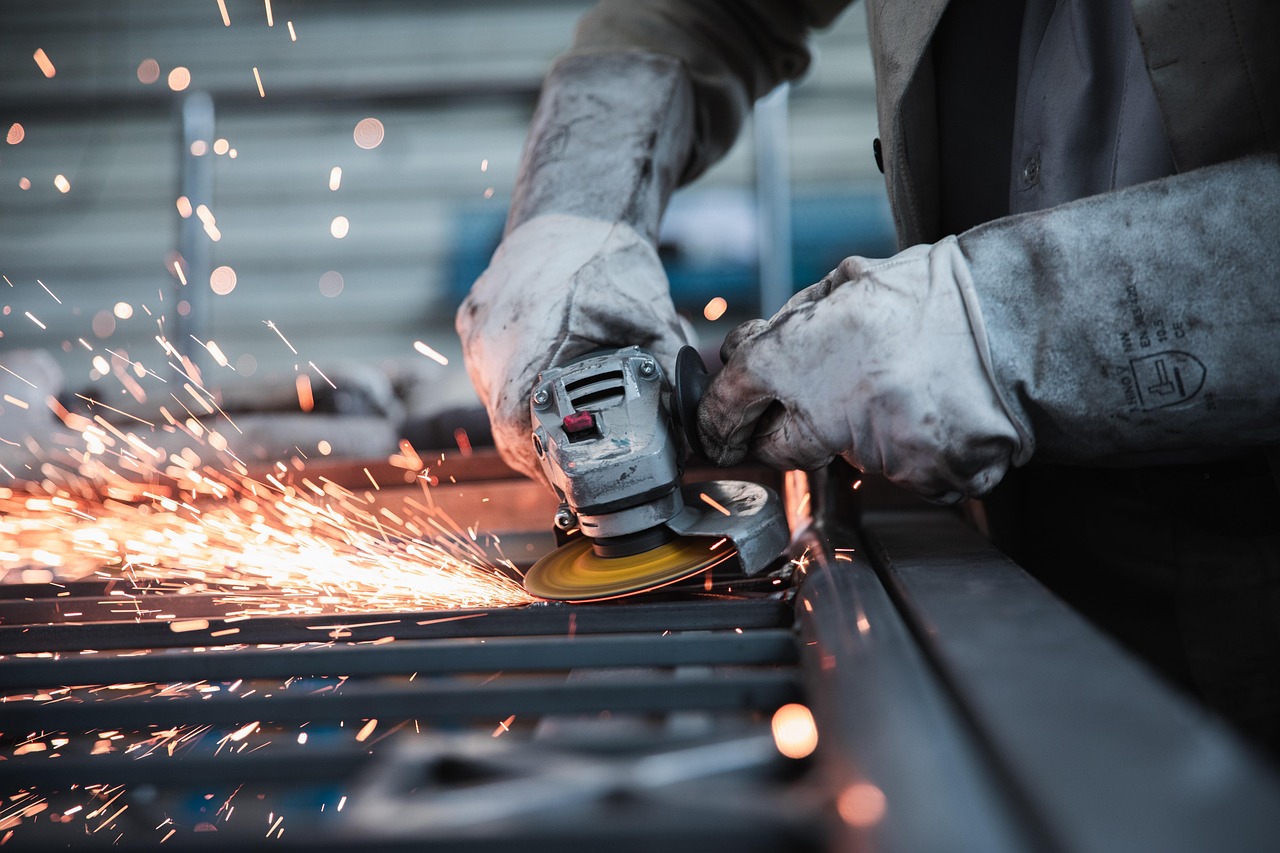
Stump grinding in Jersey City, NJ removes leftover tree stumps by cutting them into chips below the soil line, so the space in a small backyard can be used again. It’s for Jersey City homeowners stuck with a stump from a past removal, a stump that keeps resprouting, or a stump standing where a new patio or garden should go. Compact grinders reach yards that larger equipment can’t. The result is a level spot ready for pavers, soil or new planting.
What Stump Grinding Includes
A grinder uses a spinning, toothed wheel to shave the stump down in thin passes. A typical job includes:
- Grinding the stump to the depth you need.
- Removing major surface roots near the stump.
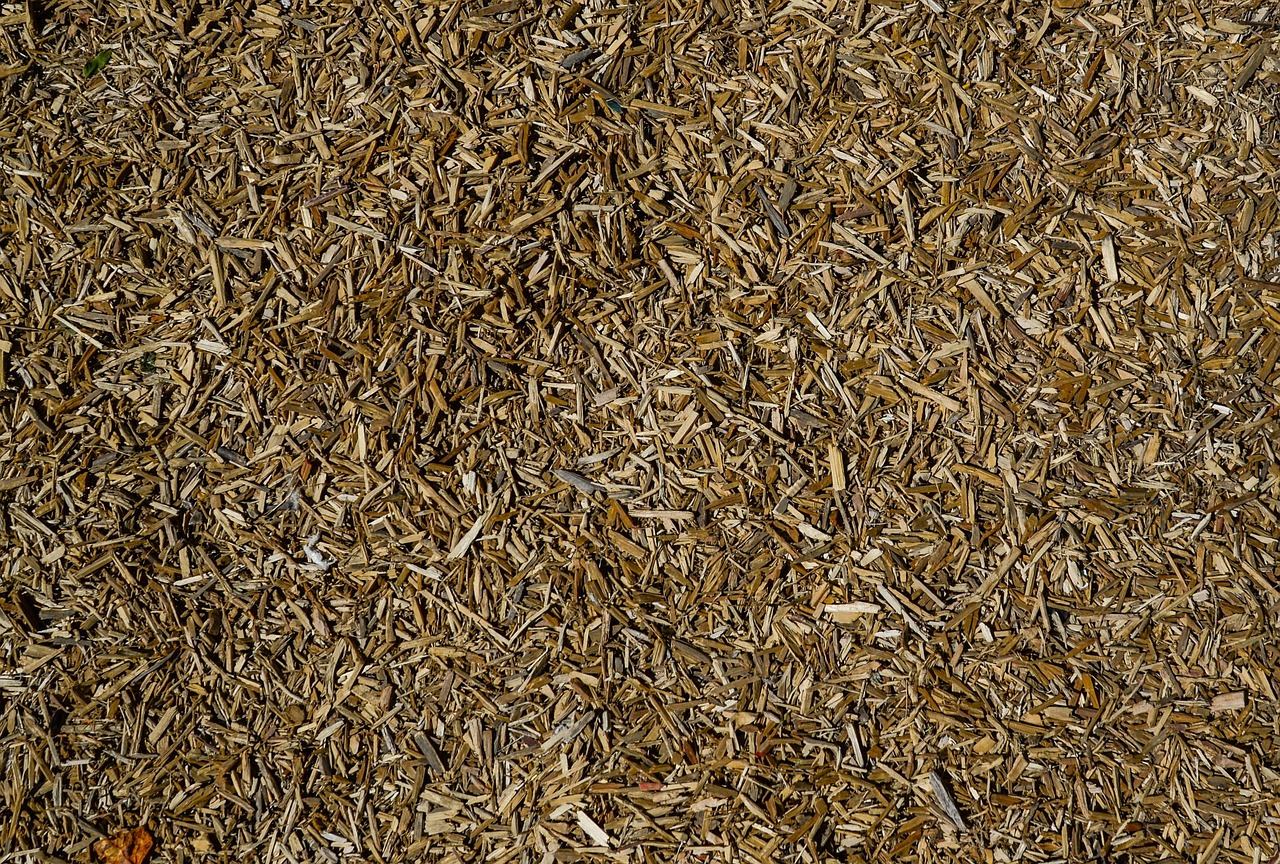
- Dealing with the grindings, whether hauled away, used as backfill or left as mulch.
- Raking the spot level for the next step.
When You Should Grind a Stump
- You’re planning a patio, deck footing or garden bed where the stump sits.
- Shoots keep appearing around the stump and along the roots.
- The stump is rotting and drawing ants or other insects close to the house.
- It takes up valuable space in a yard that’s already small.
- It’s a trip hazard on a path or near steps.
Why Old Stumps Cause Trouble
In a small yard, a stump takes up room you can’t spare. Some species stay alive below ground and keep resprouting, which is common with tree of heaven, mulberry and maples. Other stumps decay slowly and become a home for insects and fungi right next to a foundation. Grinding removes the bulk of the wood and ends most of those problems.
There is also a practical reason in small yards: every square foot counts. A stump in the middle of a 20-foot-deep yard can block the only sunny spot for a garden, or sit exactly where a table and chairs would go. Clearing it gives the space back.
The Grinding Process
- Confirm access and choose a grinder small enough for the route.
- Call 811 so public utilities mark their lines, and note any private lines.
- Clear the area of stones and debris that could be thrown.
- Grind the stump in passes down to the agreed depth.
- Chase out surface roots within the area you plan to use.
- Backfill or haul the grindings and leave the area tidy.
What Affects the Price of Stump Grinding
- Diameter of the stump at ground level.
- Wood type, as hardwoods grind more slowly.
- Depth needed for lawn, planting or hardscape.
- How the grinder gets in, including gates, steps and narrow passages.
- Roots to remove around the stump.
- Haul-away of the grindings from a yard with no vehicle access.
- Stump count, since several in one yard share the setup effort.
Pricing follows a free visit to measure the stump and walk the route a grinder would take.
If you have several stumps, from an old fence-line clearing for example, grouping them into one visit is usually the most economical approach, since the machine only has to be brought in once.
Grind It or Dig It Out?
Grinding is the practical choice for almost every residential stump. Digging out the whole root ball leaves a large hole, disturbs nearby foundations and fences, and is very hard to do by hand in a rowhouse yard. Full removal is only worth considering for unusual construction projects, which we can discuss case by case.
Leaving the Stump Alone
A stump left in place keeps limiting your yard and may resprout or rot for years. If the tree is still standing and needs to go, tree removal and grinding can be done together. For trees you’re keeping, tree trimming helps them stay healthy so they don’t become the next stump.
Related services in Jersey City